Many dairy farmers believe that cows produce less milk during cold weather simply because they drink less water. While water is essential for digestion, body functions and milk production, there is another important factor that farmers should never overlook: the nutritional quality of the feed.
A dairy cow needs sufficient energy, protein, minerals and vitamins to maintain her body and produce milk. Water alone cannot supply these nutrients. The quality and digestibility of the fodder determine how much nutrition the animal obtains from its daily ration.
The Difference Between Hay and Fresh Green Fodder
Consider two dairy cows receiving different feeding rations.
The first cow receives hay supplemented with 6 kg of dairy concentrates. Since hay contains relatively little moisture, the cow must drink more water separately.
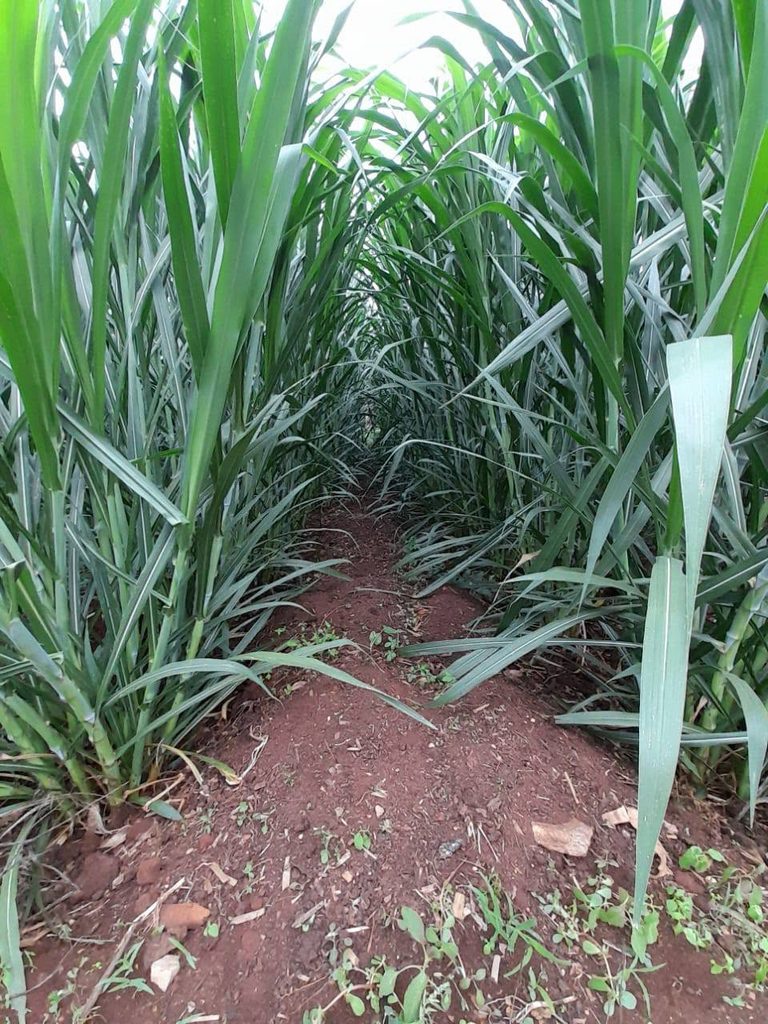
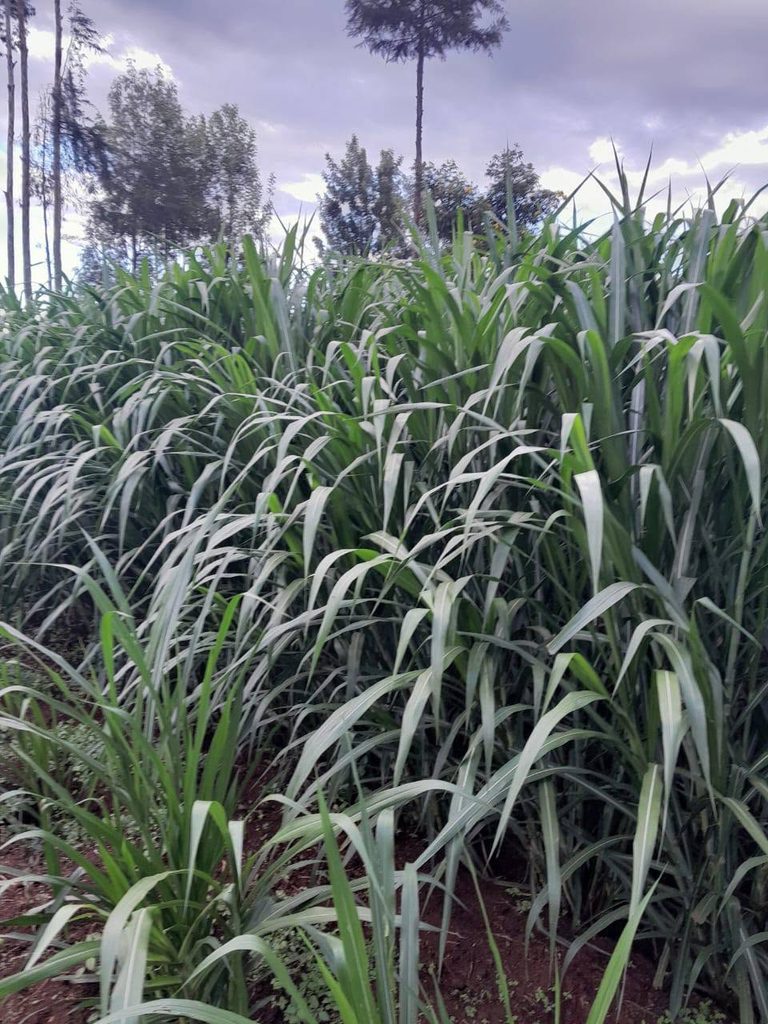
The second cow receives fresh green fodder, such as well-managed Packchong Grass, together with the same quantity of concentrates. Fresh green fodder naturally contains considerable moisture, meaning some of the cow’s water requirements are supplied through its feed.
Therefore, the amount of water a cow drinks directly from a trough does not necessarily represent its total daily water intake.
Energy: The Foundation of Milk Production
The nutritional value of fodder is particularly important because milk production requires considerable energy.
For illustration, consider a 600 kg dairy cow:
- A hay-based ration may provide less energy, depending on its quality and digestibility.
- A good-quality green fodder ration can potentially provide more energy and support higher milk production.
- Concentrates supplement the ration by supplying additional energy, protein and other nutrients.
The actual milk yield will depend on the cow’s genetics, stage of lactation, total dry matter intake, feed quality and overall nutritional balance.
Why Packchong Grass Deserves Attention
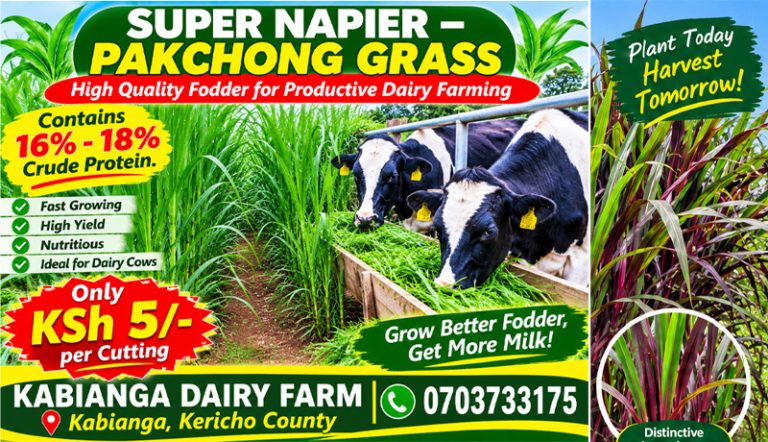
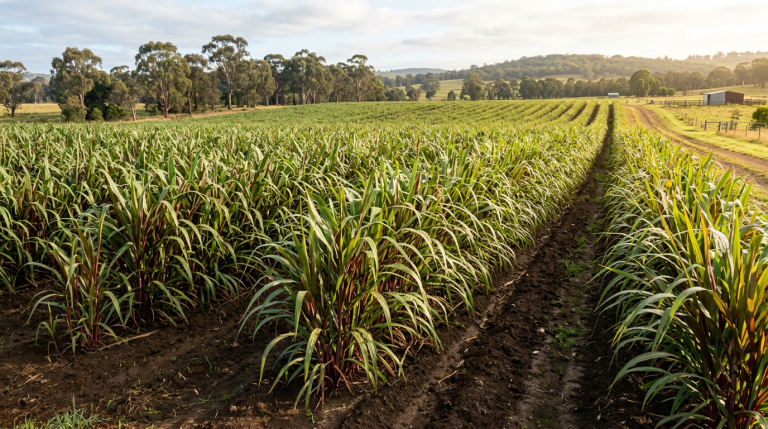
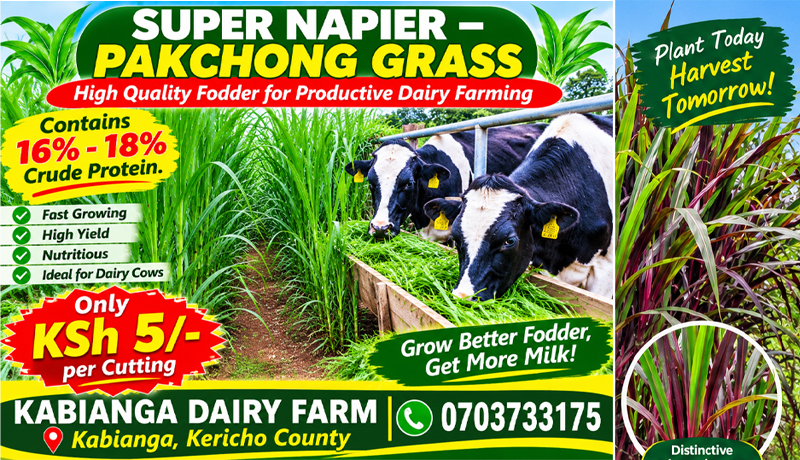
Packchong Grass offers dairy farmers an opportunity to establish a productive source of fresh green fodder. Its potential for vigorous growth and repeated harvesting makes it an attractive option for farmers looking to improve their fodder production systems.
When properly established and harvested at the right maturity, it can contribute to a balanced dairy ration and help reduce dependence on purchased roughage.
However, farmers should remember that no single fodder variety provides everything a dairy cow needs. Proper supplementation with concentrates, minerals and clean drinking water remains essential.
Invest in Better Fodder Production Today!
At Kabianga Dairy Farm, Kabianga, Kericho County, we encourage dairy farmers to embrace improved fodder production and better feeding practices.
Make a smart investment in your dairy farming enterprise by establishing your own Packchong Grass fodder garden.
KABIANGA DAIRY FARM
Location: Kabianga, Kericho County
Phone: 0703733175
Better fodder, balanced nutrition and proper dairy management for a more productive farming enterprise.