How AI Is Driving Change in African Agriculture, Energy, and Climate Action – GSMA Report
A recent report from GSMA, titled AI for Africa: Use Cases Delivering Impact, reveals the growing influence of artificial intelligence (AI) across the continent. The study tracked over 90 AI applications in Kenya, Nigeria, and South Africa. Nearly half of these use cases support agriculture, while 26% target climate action and 24% focus on the energy sector. Although Africa contributes just 2.5% to the global AI market, experts project that AI could add $2.9 trillion to the continent’s economy by 2030.
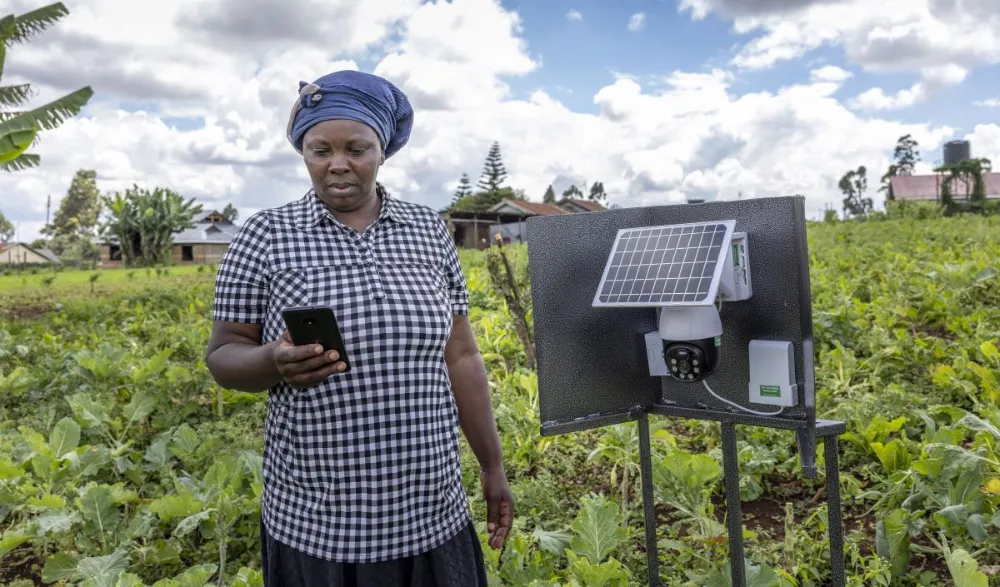
Agriculture leads in AI adoption. In Kenya and Nigeria, agritech startups are using machine learning (ML) to provide farmers with digital advisory tools. Platforms like TomorrowNow and ThriveAgric deliver real-time, mobile-based tips to improve crop production. Companies such as Apollo Agriculture use AI to assess creditworthiness, helping farmers access financing. These tools help small-scale farmers adopt climate-smart techniques and boost productivity.
The report found that AI in farming often relies on remote sensing data. Tools analyze soil conditions, weather patterns, and crop health. This helps farmers make informed decisions. However, success depends on mobile phone access, digital literacy, and the availability of local language content. Without these factors, many farmers may struggle to benefit from digital services.
In the energy sector, AI helps solve access and reliability issues. In Nigeria, nearly half the population lives without electricity. AI tools support smart energy management, predictive maintenance, and access mapping. Companies like Nithio design AI-powered tools to guide off-grid investments and monitor infrastructure. These efforts aim to reduce energy poverty and improve service delivery.
Climate action also benefits from AI. In Kenya and South Africa, tools powered by machine learning support biodiversity tracking and wildlife protection. Initiatives like Microsoft’s AI for Good Lab and Rainforest Connection use AI to study ecosystems and detect threats. These projects help conservationists make fast, informed decisions. With climate change already affecting agriculture and water supply, these tools could play a critical role.
Despite the progress, the report highlights Africa’s data gap as a major challenge. Local datasets remain limited, especially in African languages and public domain areas. This shortage makes it hard to develop AI tools that reflect African realities. The GSMA calls for better data infrastructure, more inclusive training, and policies that support AI innovation. These steps could unlock AI’s full potential for African development.