Flying a drone is one of the most exciting hobbies you can take up today. Whether you want to capture stunning aerial photos, shoot cinematic videos, or just enjoy piloting for fun, drones offer endless possibilities. But if you’re a beginner, the idea of controlling a flying gadget can feel a bit overwhelming. Don’t worry—this guide will walk you through the basics of flying drones safely and confidently.
1. Choose the Right Drone
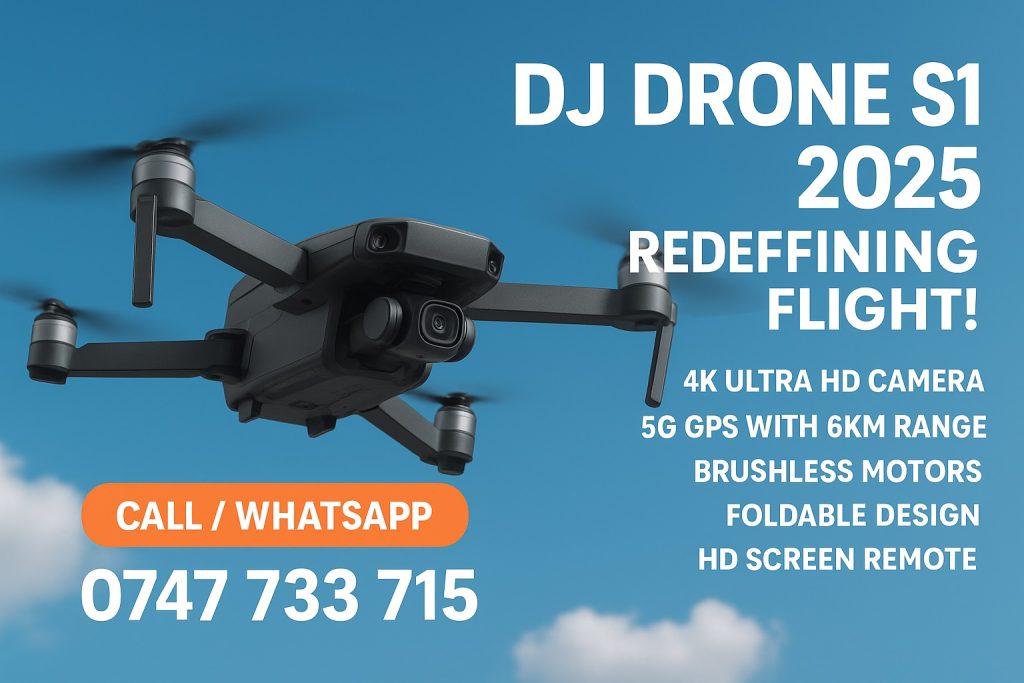
Before you take off, it’s important to pick the right drone for your skill level. For beginners, it’s best to start with an entry-level or mid-range drone. These are usually easier to control, more affordable, and often come with beginner-friendly features like altitude hold, headless mode, and one-key takeoff/landing. Once you’ve built confidence, you can upgrade to more advanced drones with 4K cameras, GPS navigation, and long-range flight.
2. Learn the Controls
Every drone comes with a remote controller (or smartphone app) that has two main joysticks:
- Left stick: Controls altitude (up/down) and rotation (yaw).
- Right stick: Controls forward/backward movement and side-to-side (roll).
Spend time practicing these movements slowly. Start by hovering in place, then try gentle forward and backward flights, before moving on to turns and figure-eight patterns.
3. Fly in a Safe Location
For your first flights, choose an open area away from people, buildings, trees, and power lines. A wide-open field or park is perfect. Always check your local regulations—some areas may restrict drone flights near airports, national parks, or government facilities. Flying in safe spaces will give you the freedom to practice without worrying about obstacles.
4. Practice Basic Maneuvers
Start small. Learn to:
- Take off and land smoothly
- Hover steadily without drifting
- Fly in straight lines forward and backward
- Rotate and change direction while staying in control
Repetition is key. The more you practice, the more natural flying will feel.
5. Safety First
Drones can be fun, but safety is crucial. Always:
- Keep your drone within your line of sight
- Avoid flying in bad weather (rain, strong wind)
- Check your battery before each flight
- Respect other people’s privacy and space
By practicing safe flying, you’ll avoid accidents and enjoy the hobby stress-free.
Flying a drone as a beginner doesn’t have to be intimidating. With the right drone, basic knowledge of controls, a safe practice area, and steady practice, you’ll soon be flying confidently. Start small, stay safe, and enjoy the amazing world of drones—before you know it, you’ll be capturing breathtaking shots and mastering advanced maneuvers