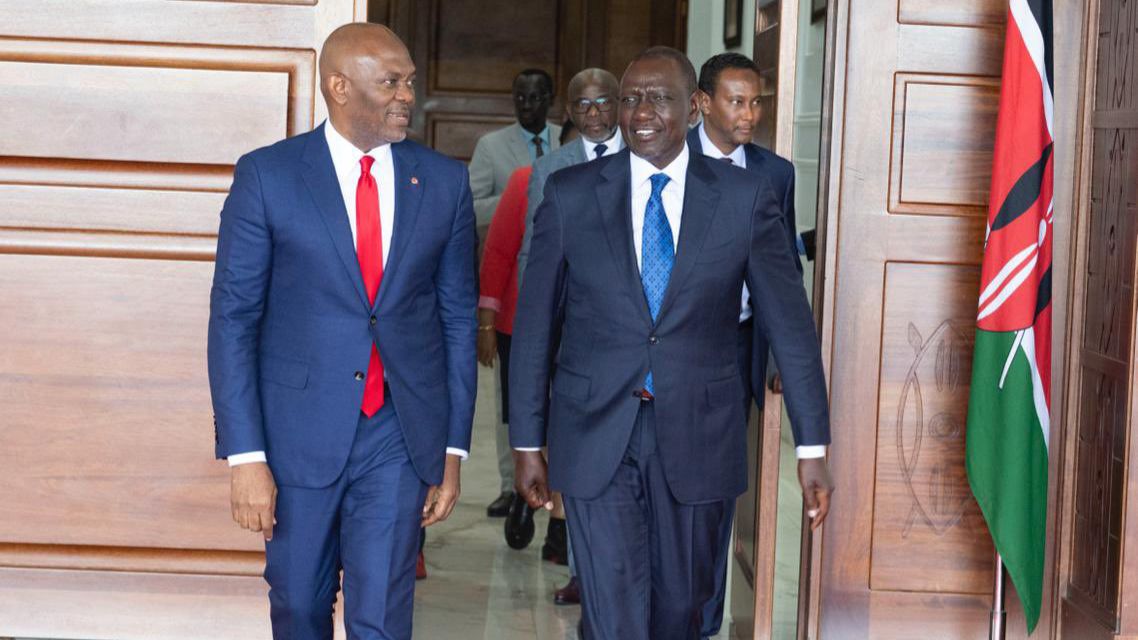
Kenya is set for a major boost in its infrastructure drive after Nigerian billionaire Tony Elumelu committed $1 billion (about Ksh129 billion) to support development projects across the country. The announcement followed a high-level meeting between Elumelu and President William Ruto on Wednesday, November 12, where the two leaders discussed partnerships aimed at accelerating Kenya’s economic transformation. The pledge reflects a growing wave of Pan-African investment and collaboration, signaling renewed confidence in Kenya’s investment climate.
Elumelu made the commitment in his capacity as Group Chairman of United Bank for Africa (UBA) and Heirs Holdings Group, both of which play significant roles in Africa’s financial and economic landscape. Heirs Holdings, a pan-African investment firm, has diverse interests in energy, real estate, healthcare, and hospitality, while UBA continues to be one of the continent’s most influential banks, driving financial inclusion and cross-border trade. The partnership promises not only to enhance infrastructure but also to deepen Kenya’s ties within the broader African economic network.
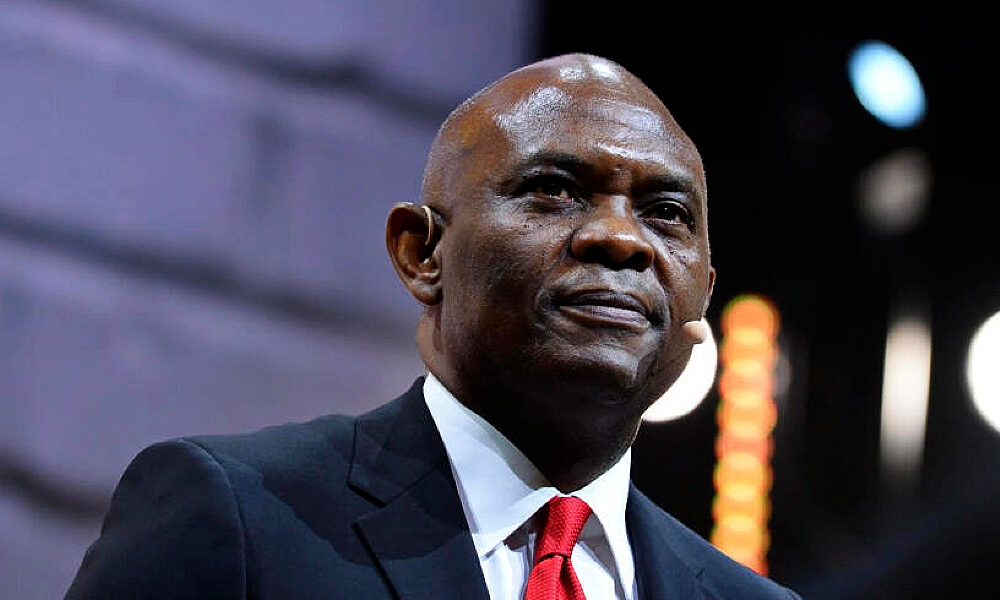
Born on March 22, 1963, in Jos, Nigeria, Anthony Onyemaechi Elumelu is a respected entrepreneur, economist, and philanthropist celebrated for his philosophy of “Africapitalism.” This concept emphasizes the private sector’s central role in driving Africa’s development through long-term investments that generate both profit and social impact. Through his leadership, Elumelu has empowered thousands of young entrepreneurs across Africa, demonstrating that sustainable growth begins with Africans investing in Africa.
Elumelu’s billion-dollar pledge is more than just financial support — it is a symbol of continental solidarity and vision. As Kenya continues to expand its roads, energy networks, and urban infrastructure, this investment will help unlock new opportunities for trade, innovation, and employment. More importantly, it reinforces the belief that Africa’s development will be built not by aid, but by Africans themselves — investing boldly in their own future.